A day at Liseberg is really a day of waiting. Queues that curl around corners, virtual queues in the app, even lines for snacks. We all accept it because the reward is the ride itself.
When my turn came for a roller coaster, I strapped in without hesitation. No risk assessment, no checklist, no thought about steel inspections or worn bolts. I trusted that others had done the work: engineers, inspectors, the park itself. My only role was to let go and enjoy.
Watching V for Vendetta in 2025 is no longer like revisiting a dystopian fantasy. It's like watching the news, only with better dialogue.
I watched the film again last week after quite a while, and it got me thinking. When Alan Moore first published the graphic novel in the 1980s, it reflected the Thatcher era with its politics, social unrest, and the constant fear of nuclear war. He wrote about a society governed by fear, propaganda, and a regime that promised order at the price of freedom. When the film arrived in 2005, the world was preoccupied with terrorist threats, the Patriot Act, and surveillance. Back then, the story felt like a warning.
Everywhere I look, people are tearing into each other. Online, in politics, even in daily life. The loudest voices are the angriest ones. Every disagreement turns personal. It is not about ideas anymore. It is about crushing the other person. And I get it. Anger feels good. Throwing an insult feels like winning for a moment. But it never changes anything. It just makes the walls higher.
Swedish and European IT is caught in a paradox. We stand before the greatest infrastructure humanity has ever built. Oceans of compute, storage, and security. Platforms hardened by global investments. Built with resilience no single EU state could dream of and with protections no local provider can match.
And yet, in fear and misplaced pride, we drain the ocean.
Ask yourself this: are we focusing more on compliance because it is measurable, reportable, and easy to present in a boardroom while ignoring the deeper, more chaotic cyber threats that truly undermine democracy? When politicians openly fire intelligence officials, dismiss hacking evidence, or cast doubt on the electoral process, it raises a hard question: which is more dangerous, the technical overreach by corporations, political destabilization by populists, or covert attacks by state-backed hackers?
This is not a hypothetical. In the real world, AI tools quietly scrape data in the background. Political leaders rewrite reality in 280 characters. And somewhere in the dark, an APT group quietly moves through a government network undetected.
What is worse: the slow erosion of digital rights under corporate compliance regimes, or the blunt force trauma of populistdriven disinformation? Or is the real threat how all three forces, Big Tech, populist politics, and state hackers, converge and reinforce each other?
Middle-earth never had hashtags, but it did have trolls. And compared to the ones lurking on your feed, cave trolls were a breeze.
Tolkien’s world wasn’t just swords, magic, and epic battles. It was about choices under pressure and the kind of person you become when the stakes are high. Same rules apply here, only the battle is fought on comment threads and DMs instead of Pelennor Fields.
I have been working in IT for over 25 years. I have seen trends come and go, from mainframes to cloud, from on-prem to “as-a-service”, from bash scripts to Kubernetes. Each time, the story was the same: this will change everything. And each time, after the noise settled, the same truth returned that if you did not understand what you were doing before, you still do not now.
A new INTERPOL Africa Cyberthreat Assessment Report, released on June 23, 2025, shows that cyber-related offences now comprise a substantial portion of criminal activity across the continent. Two-thirds of surveyed member countries said cybercrime made up a medium‑to‑high share of all reported crimes rising to over 30% in Western and Eastern Africa.
News organizations play a vital role in holding power to account. When they report on criminal activity, they often become targets themselves. Threats may include distributed denial of service (DDoS) attacks, website defacement, phishing attempts, or direct breaches of the content management system like WordPress. This post outlines how newspapers can secure their WordPress installations, what to do when hit by an attack, and how to build long-term resilience.
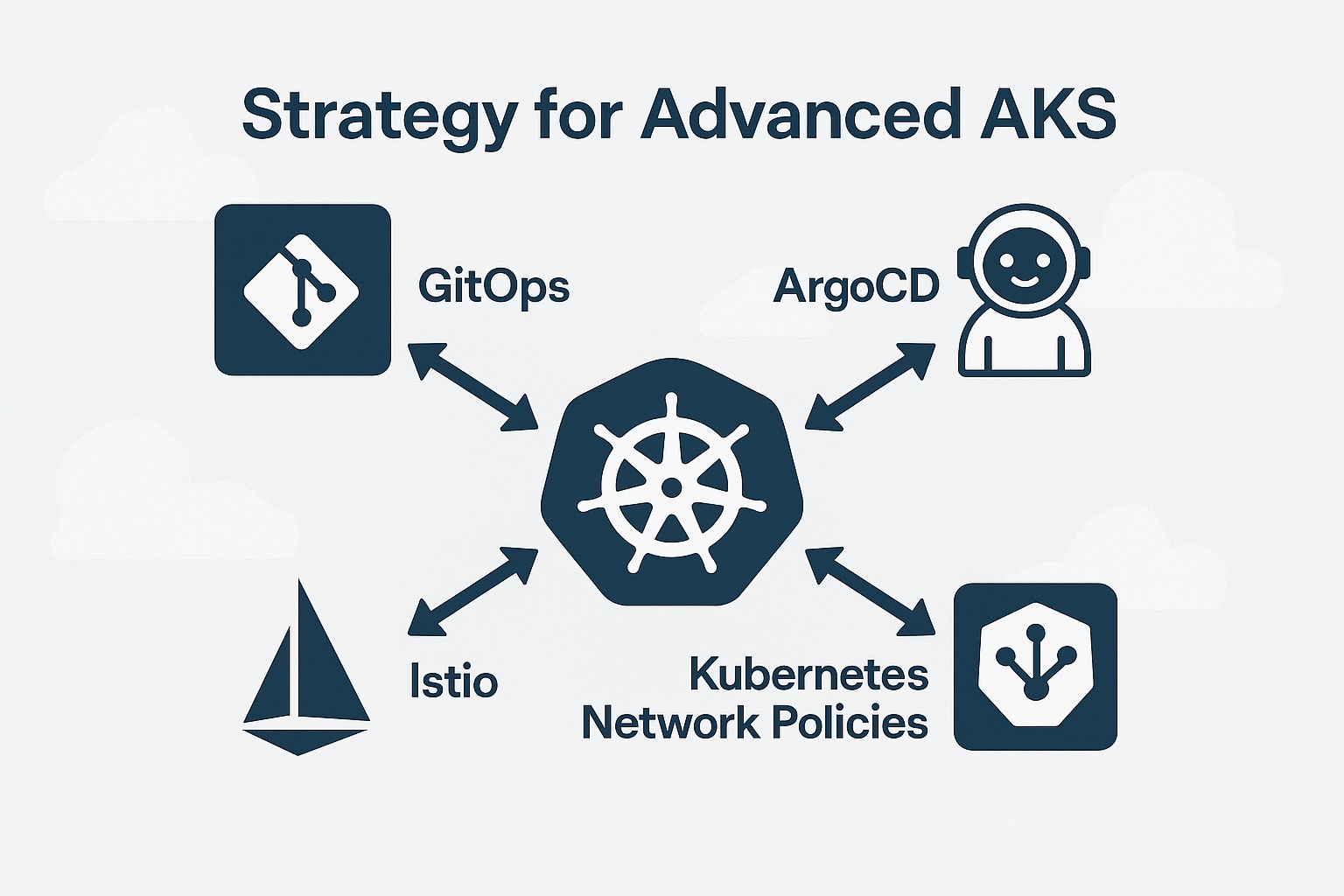
When organizations build cloud-native solutions in Kubernetes, especially with Azure Kubernetes Service (AKS), the need for control, security and scalability grows quickly. At the same time, there is equal pressure from developers to deliver fast, with flexibility and minimal friction in their workflows. Introducing GitOps, ArgoCD, Istio and Kubernetes Network Policies is one way to meet both sets of needs - but the solution is not without friction. It is about finding a balance between operational safety and developer speed, between structure and creativity.